
Safety switches and circuit breakers — protecting your home.
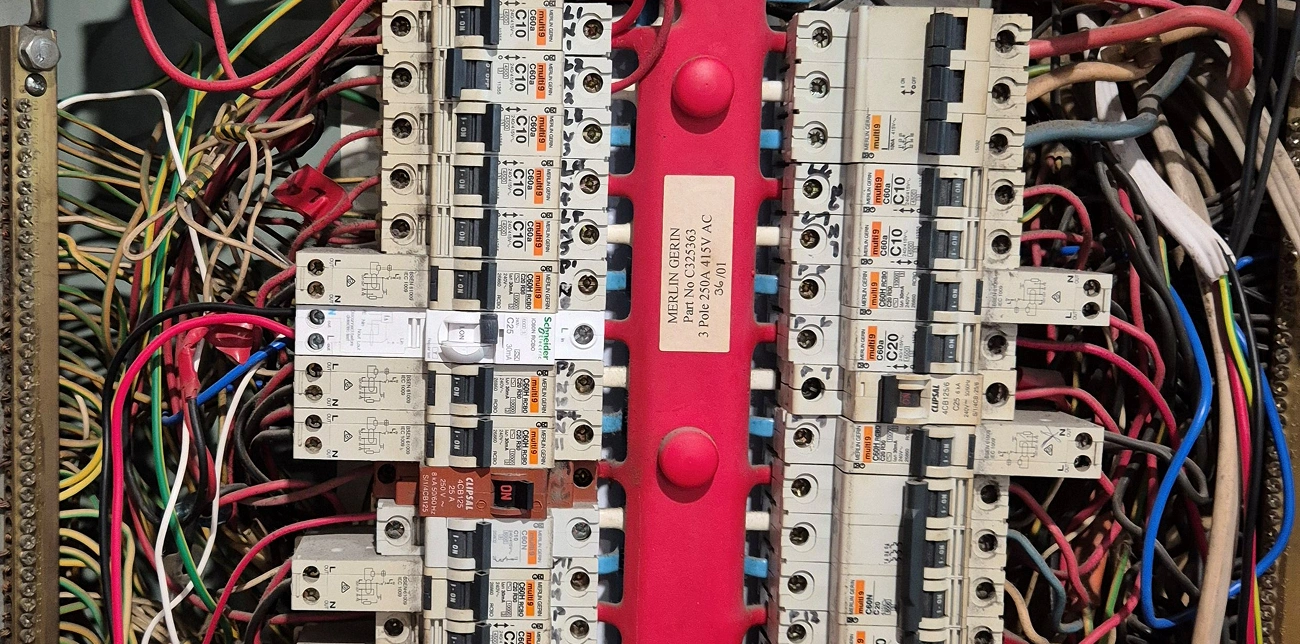
What are circuit breakers?
Circuit breakers are designed to protect your electrical wiring from overloads and short circuits. When too many appliances draw power from the same circuit, the breaker automatically cuts the power to prevent overheating and potential fire risks.
Circuit breakers reset once the fault is resolved, making them safer and more reliable than traditional fuses.
What are safety switches?
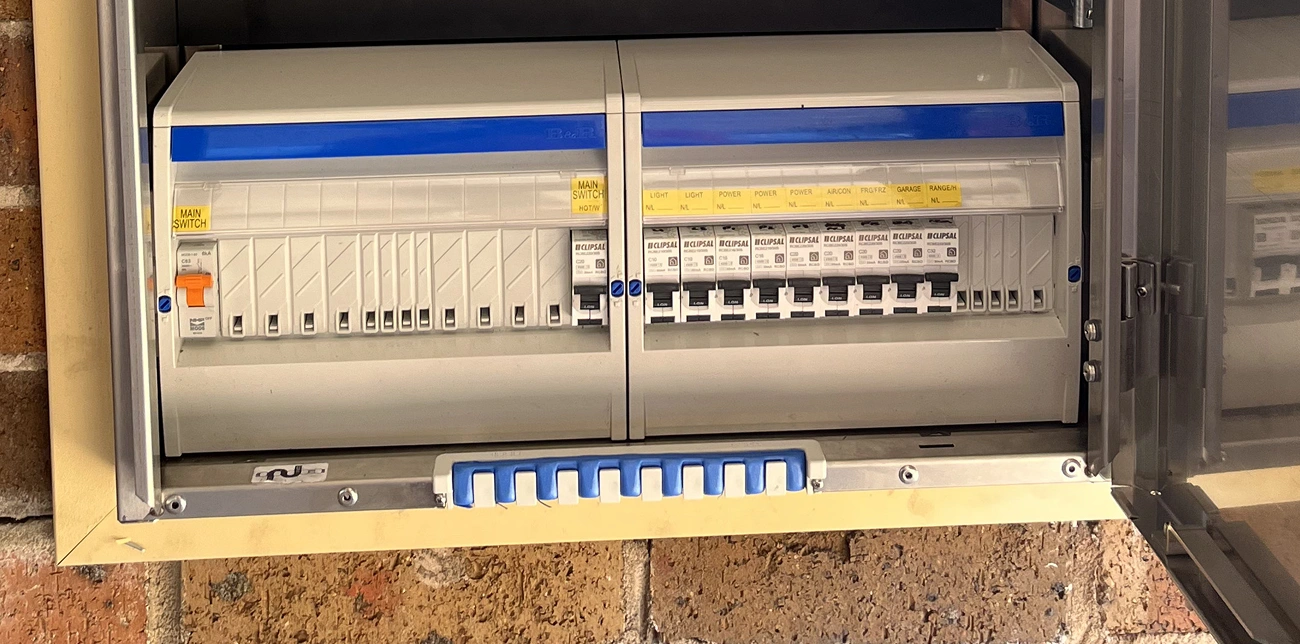
Safety switches provide an additional layer of protection beyond circuit breakers. They are designed to detect electrical faults such as current leakage and immediately shut off power to reduce the risk of electric shock.
If a safety switch detects an unsafe flow of electricity, it will trip within milliseconds to protect people and property.
Electrical Safety Tips
- Test safety switches regularly using the test button
- Do not overload power points or power boards
- Replace damaged cords and appliances immediately
- Ensure switchboards meet current safety standards
- Arrange professional inspections if switches trip frequently
Licensed professionals — authorised for supply networks.
What does a Level 2 electrician do?
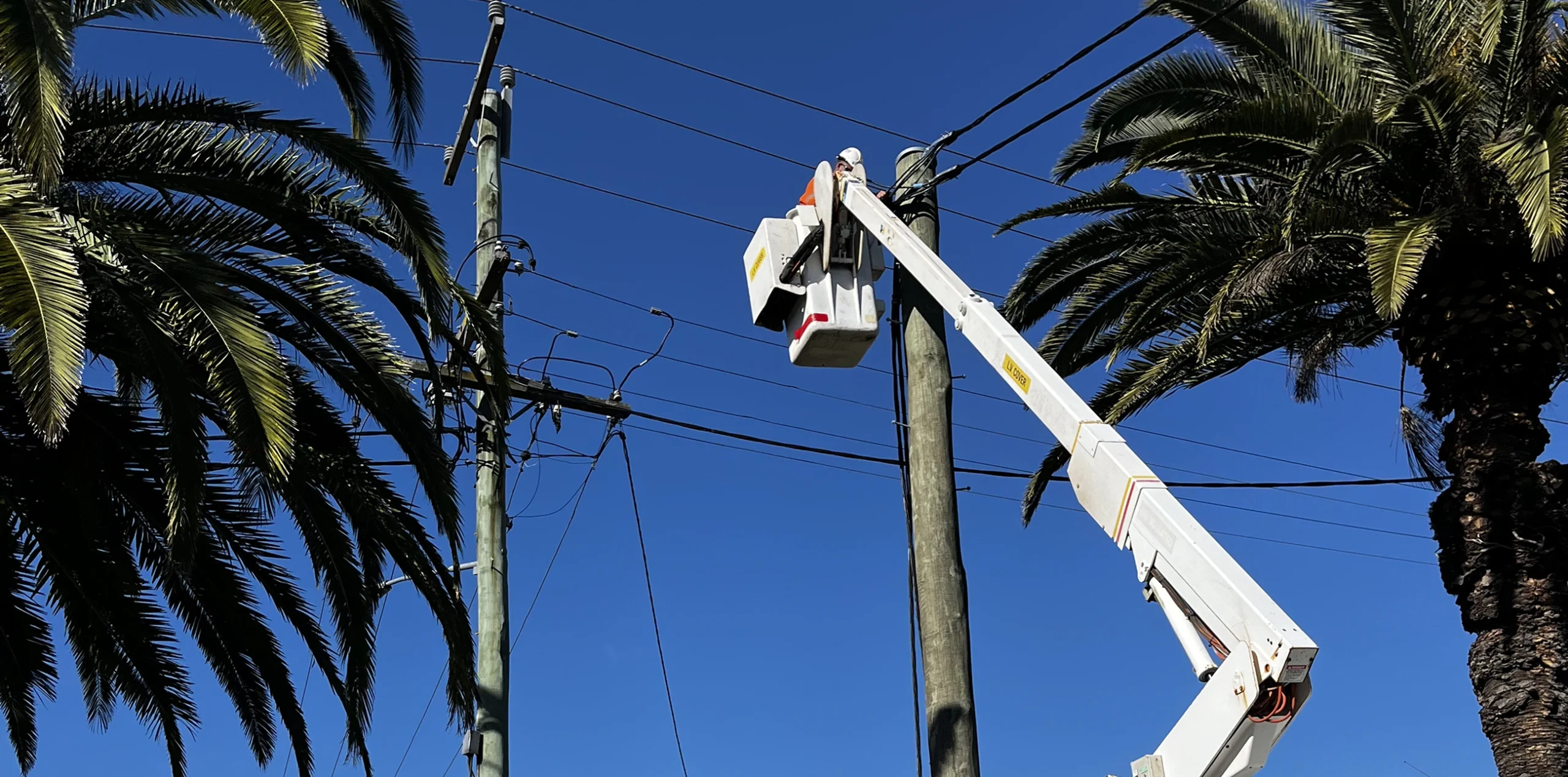
Level 2 electricians hold advanced qualifications that allow them to carry out specialised electrical work beyond standard domestic installations. This includes working on electrical connections between the street supply and a customer’s home or business.
They undergo additional training and accreditation, enabling them to safely install, maintain, and repair overhead and underground electrical services connected to the electrical supply network.
Why is a Level 2 electrician required?
Certain electrical tasks are legally restricted due to safety risks and network authority requirements. Only Level 2 Accredited Service Providers are authorised to perform work that involves live connections, service lines, and metering equipment.
Hiring a Level 2 electrician ensures all work is completed safely, compliantly, and approved by the relevant network provider.
What services can a Level 2 electrician provide?
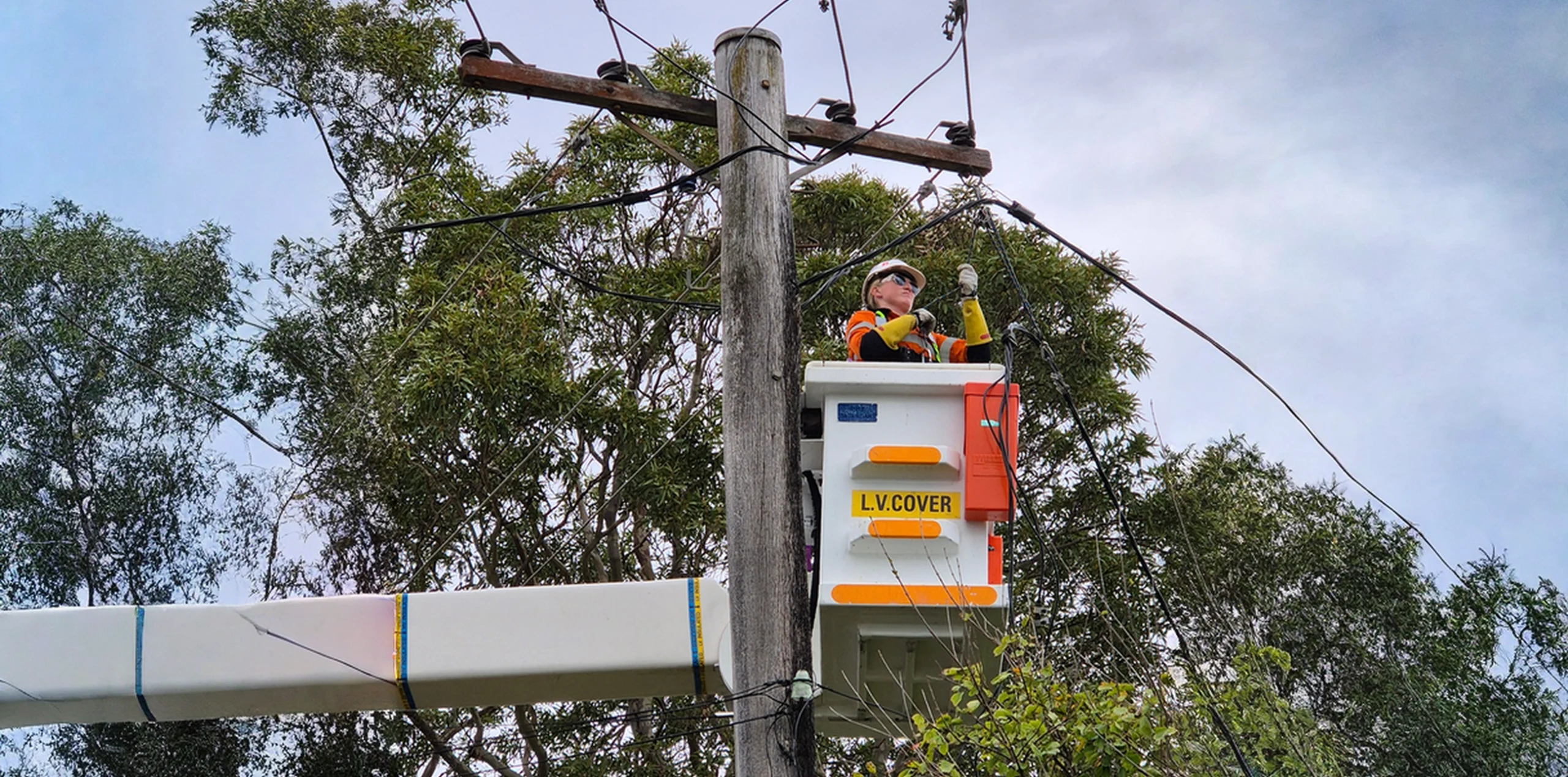
- Disconnection and reconnection of power supply
- Installation and repair of underground service lines
- Installation and maintenance of overhead service lines
- Metering installation and energisation of new connections
- Installation of contestable market metering
Get the right lights for the job – make sure they meet Australian Standards
Check old lights before you use them
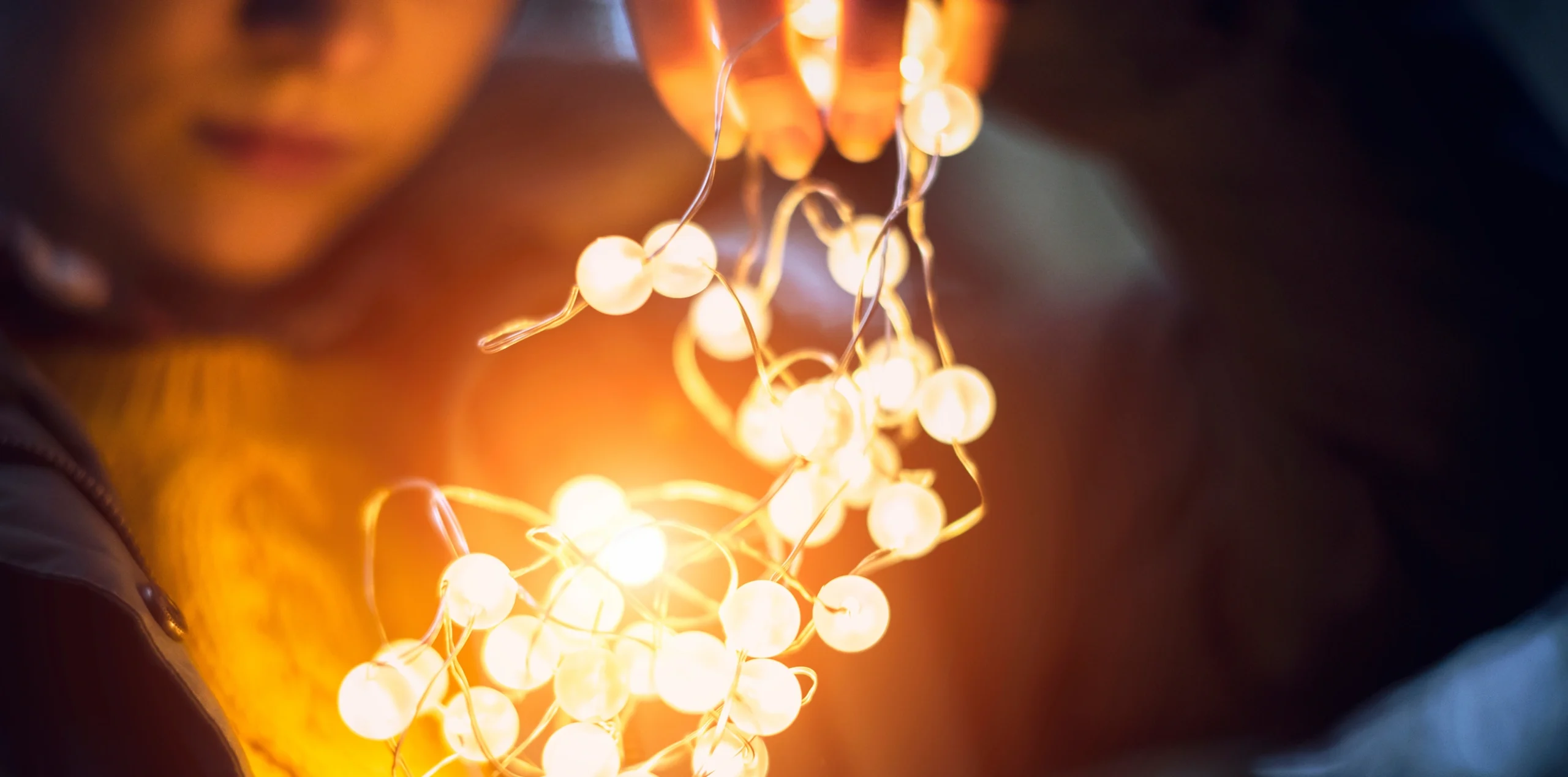
Before you start hanging any lights, it’s a good idea to first examine any lights you already have. This will help you save money on new lights by repurposing those you already own. Take out the lights and be sure to check for any broken bulbs. Many Christmas light sets come with spare bulbs to replace any that are damaged or burnt out.
Keep indoor lights indoors
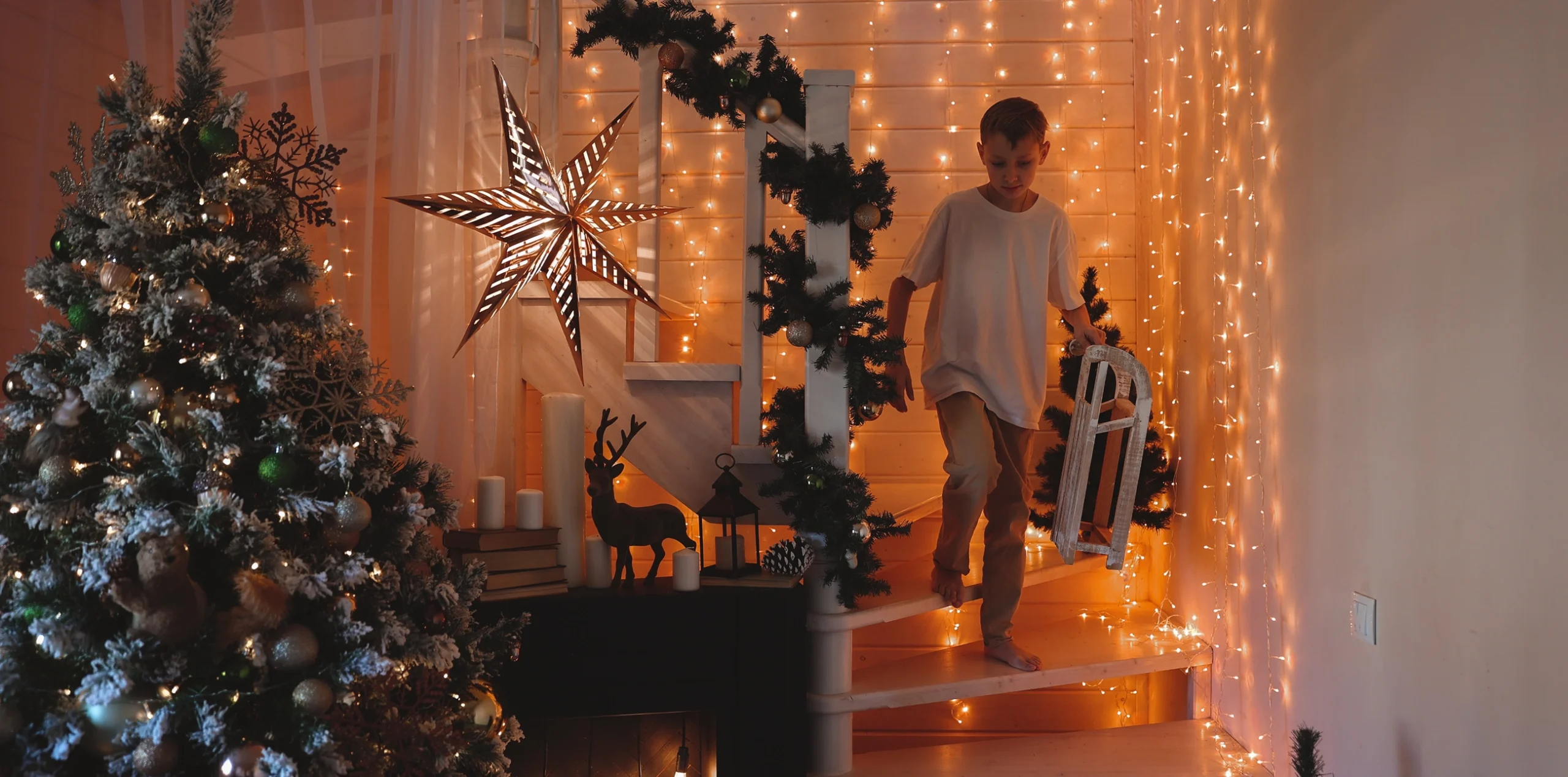
And check your outdoor lights are up to the task. Christmas lights are built for indoor or outdoor use, and it’s not safe to use indoor Christmas lights outside.
Safety Tips:
- Avoid using double adaptors or piggybacking power boards.
- Use no more than three sets of lights per power board, regardless of the number of outlets.
- Make sure you use power boards that have both overload protection and earth leakage protection.
- Place your lights away from flammable materials, decorations, curtains and candles.
- Make sure electric cords are completely uncoiled, and not placed under rugs or mats, to avoid possible overheating.
- Leaving the house or going to sleep? Make sure to turn off all your lights before you turn in or shut the front door.